Choosing the right contractor is one of the most important decisions in a renovation. If you are wondering how to choose a renovation contractor, look beyond the lowest number on a quotation. You are trusting someone with your home, your money and, in many cases, the largest investment your family owns.
A well-planned renovation can improve comfort, function and the way your home supports daily life. It may also improve market appeal or help create suitable space for extended family or rental use. However, these benefits depend on the project being planned and completed properly. Missing work, poor installation or an unfinished project can turn an attractive price into an expensive correction. Understanding how to choose a renovation contractor can help you avoid unclear quotations, unfinished work and expensive corrections.
This guide explains how Vaughan homeowners can compare contractors, understand quotations and make a more informed decision before work begins.
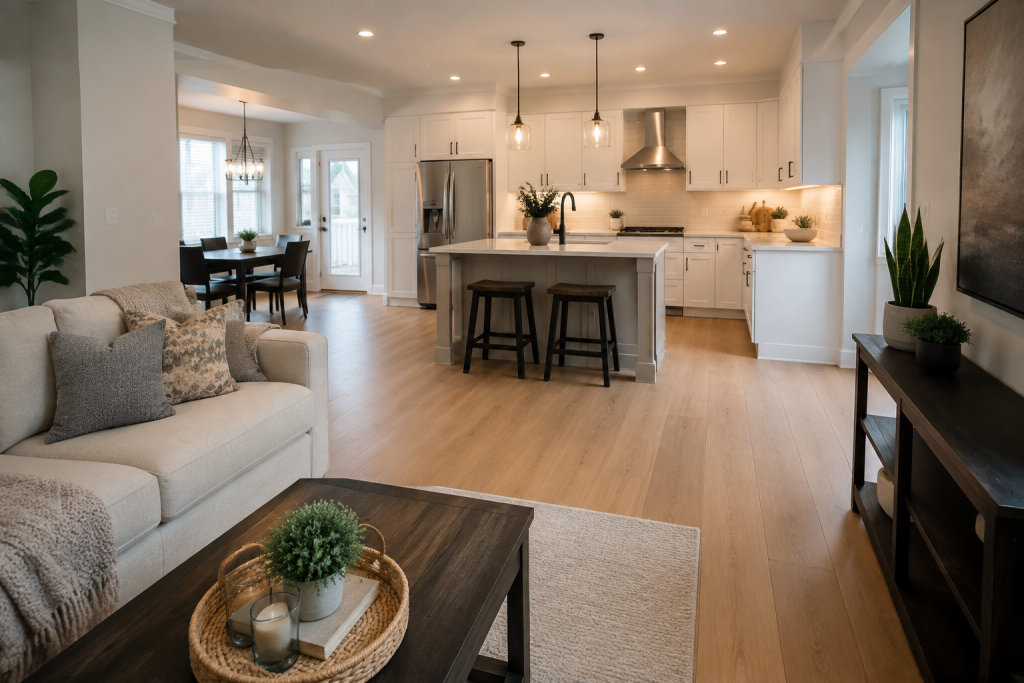
A detailed consultation helps homeowners compare the proposed work, responsibilities and renovation goals.
First Decide What Your Renovation Must Accomplish
Before requesting quotations, define what you want the renovation to achieve. A contractor cannot price an unclear project accurately, and homeowners cannot compare proposals fairly when each contractor is pricing a different result. Learning how to choose a renovation contractor begins with defining the result you expect from the project.
Your goal may be to:
- Improve comfort and function for your family
- Modernize an older kitchen, bathroom or basement
- Correct worn or poorly completed work
- Prepare the property for future resale
- Create space for parents or adult children
- Explore a legal secondary suite or rental property conversion
- Renovate instead of paying the costs associated with moving
Write down your priorities, desired rooms, major layout changes, preferred materials and approximate timing. Separate essential work from optional upgrades. This gives each contractor the same starting point and helps you understand where the budget is being spent.
How to Choose a Renovation Contractor: 10 Essential Questions
1. Have You Completed Similar Renovations?
A contractor may have general construction experience without having completed a project similar to yours. Ask to see relevant kitchens, bathrooms, basements or complete home renovations—not only attractive finished photographs from unrelated work.
Look for before, construction-stage and finished images. Construction photographs can reveal more about planning, preparation and attention to details that eventually disappear behind walls and finishes.
Ask what challenges occurred on those projects and how they were handled. An experienced contractor should be able to explain the work in clear language.
2. Can I Speak With Recent Customers?
Online reviews are useful, but recent references let you ask detailed questions. Ask customers whether the contractor:
- Arrived and communicated consistently
- Explained changes before completing additional work
- Maintained an organized work area
- Followed the agreed scope
- Addressed problems professionally
- Completed the final details
- Returned calls after receiving payment
Read patterns across several reviews instead of relying on one exceptionally positive or negative comment. A&R Renovations also encourages homeowners to review its customer testimonials and independent online reviews.
3. Is the Contractor Licensed and Insured for the Work?
Ask for current documentation appropriate to the project and municipality. Confirm that the business name on the quotation, contract, licence and insurance documents is consistent.
The City of Vaughan advises homeowners to hire a City-licensed contractor for renovations involving a secondary suite. Vaughan also provides a public business-licensing process and lookup resources. Requirements vary with the work, so verify them directly rather than relying only on advertising language.
Official resource: City of Vaughan contractor and business licensing information
4. What Exactly Is Included in the Quotation?
Two quotations can show very different prices because they include different work. A short description such as “renovate bathroom” does not tell you enough to make a responsible comparison.
An important part of understanding how to choose a renovation contractor is comparing the included work rather than comparing only the final prices.
A useful quotation should identify:
- Demolition and disposal
- Protection for occupied areas
- Framing, insulation and drywall
- Plumbing, electrical and HVAC responsibilities
- Waterproofing and preparation
- Cabinets, tile, flooring and finish materials
- Product selections or allowances
- Painting and finish carpentry
- Permit, drawing and inspection responsibilities
- Cleanup and final walkthrough
- Exclusions and homeowner-supplied items
Compare the scope line by line. If one price is substantially lower, ask which work, materials or responsibilities account for the difference. For more detail, read our guide to renovation estimates in Vaughan.
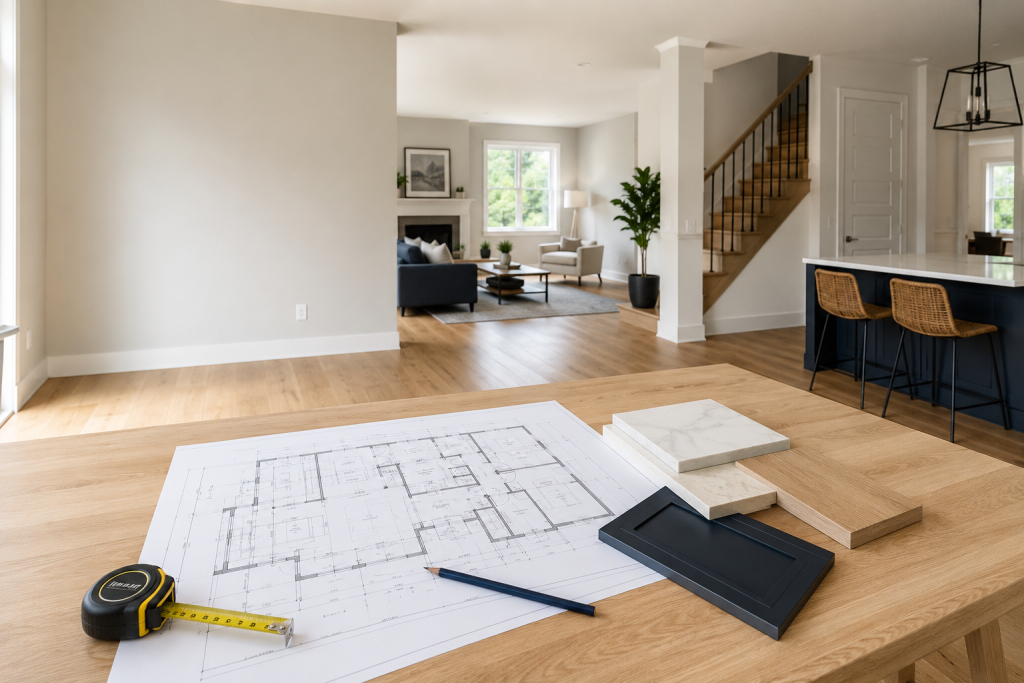
Compare the scope, allowances and exclusions—not only the final price.
5. Who Will Be in My Home and Who Is Responsible?
Homeowners should know who will supervise the project, who will have access to the property and who will answer questions during construction. Ask whether the person providing the quotation will remain involved after the contract is signed.
If licensed specialty work is required, confirm who coordinates it and how those costs appear in the agreement. There should be one clearly identified person responsible for communication and project decisions.
At A&R Renovations Inc., homeowners communicate directly with Alex from the initial consultation through the final walkthrough. A&R focuses on one main project at a time so the active renovation receives direct attention.
6. Does the Project Require Permits or Inspections?
Permit requirements depend on the work. Structural changes, basement finishing, plumbing alterations, additions and secondary suites may require approvals and inspections.
Ask:
- Is a permit expected for this scope?
- Who prepares any required drawings?
- Who submits the application?
- Are design and permit fees included?
- Who schedules inspections?
- How will required changes affect the price and schedule?
Homeowners can review current information through the City of Vaughan residential building-permit pages. When uncertain, confirm the proposed scope with Vaughan Building Standards before construction starts.
7. How Are Deposits and Progress Payments Structured?
The payment schedule should be written and connected to understandable stages of work. Ask what the deposit covers, when later payments become due and which milestone must be reached before each payment.
Keep copies of the quotation, signed contract, invoices, payment records, approved changes and messages. Avoid relying on verbal promises for important terms.
Ontario publishes guidance on hiring contractors, estimates, written contracts, payments and common renovation concerns. Review your rights when starting home renovations or repairs before signing.
8. How Will Changes and Hidden Conditions Be Handled?
Renovations can uncover water damage, inadequate framing, outdated wiring or plumbing problems that were not visible during the initial visit. Homeowners may also request upgrades after construction begins.
The agreement should explain how additional or removed work will be documented. A change order should describe the work, price adjustment and possible schedule effect. Ask for approval before changed work proceeds, except when immediate action is required to protect the property or address a safety concern.
Include a contingency in your overall budget. The appropriate amount depends on the age and condition of the home and the complexity of the renovation.
9. What Schedule Can You Realistically Maintain?
Ask for an anticipated start window, approximate duration and the decisions required before construction. Custom cabinetry, fixtures and specialty materials can have long lead times.
Also ask how many projects the contractor manages simultaneously. A low quotation offers little value if the project remains unfinished while the contractor moves between several jobs.
No contractor can promise that every renovation will proceed without a delay. The important signs are realistic planning, regular communication and a clear explanation when conditions change.
10. What Happens at the End of the Project?
Discuss completion before work begins. Ask whether the process includes:
- Final inspection of the agreed scope
- A written list of remaining details
- Cleanup and debris removal
- Operating information for installed products
- Copies of warranties or permit documents
- Final payment after the agreed milestone
- A contact process for post-completion questions
A final walkthrough helps both parties confirm that the contracted work has been reviewed.
Is Renovating Your Home an Investment?
A renovation can be an investment in several ways. It can improve comfort, correct deterioration, make spaces easier to use and increase the home’s appeal to future buyers. It may also allow a family to remain in a familiar neighbourhood instead of moving.
Financial results are never guaranteed. Renovation cost, material choices, financing, neighbourhood values, timing and buyer preferences all influence the outcome. The most expensive finishes do not automatically provide the best return.
Prioritize work that solves real problems:
- Poor layouts
- Damaged or outdated components
- Insufficient storage
- Inadequate lighting or ventilation
- Unused basement space
- Bathrooms or kitchens that no longer serve the household
- Maintenance issues that may become more expensive
A well-defined project should balance what you need today with how the improvement may support the property in the future.
Renovating to Create a Rental Property or Secondary Suite
Converting part of a home into a rental unit may create income, but it requires more than adding a kitchen and bathroom. The space must be assessed for zoning, building permits, fire and life-safety requirements, exits, ceiling height, plumbing, ventilation, electrical work, parking and other applicable rules.
The City of Vaughan advises homeowners planning a new or upgraded secondary suite to understand permit requirements, hire a City-licensed contractor and request inspections after a permit is issued. Professionally prepared drawings may be required for a new secondary suite.
Official resources:
Before proceeding, investigate the complete approval process, construction budget, financing, insurance, property taxes, expected rent and responsibilities of becoming a landlord. Obtain qualified financial, insurance and legal advice where appropriate.
Do not assume every basement can become a legal rental unit. Confirm feasibility before spending heavily on finishes.
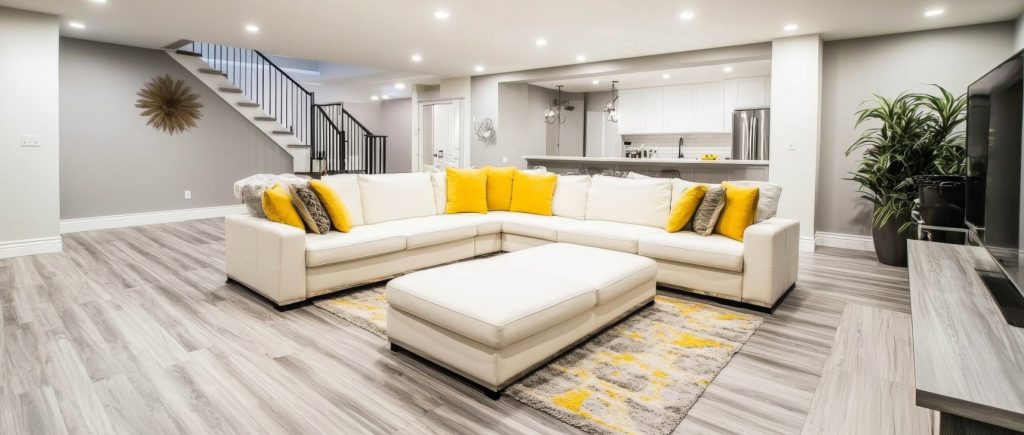
Rental-space planning should begin with feasibility, permits and safety requirements.
Warning Signs Before Hiring a Renovation Contractor
Pause and ask more questions when you encounter:
- Pressure to sign or pay immediately
- A quotation with almost no scope details
- Requests for large cash payments without documentation
- No verifiable business information
- No relevant completed projects or references
- Important promises made only verbally
- Unclear permit responsibilities
- No process for changes or additional work
- A price that is much lower without a clear explanation
- Poor communication before the project has even started
One concern does not always prove that a contractor is unsuitable. What matters is whether reasonable questions receive clear, consistent and verifiable answers.
Choose Experience, Clarity and Accountability
Learning how to choose a renovation contractor means comparing more than prices. Review the proposed scope, relevant experience, references, communication, documentation and the contractor’s ability to explain the work.
If you are still uncertain about how to choose a renovation contractor, arrange a consultation and ask detailed questions before making a commitment.
A&R Renovations Inc. provides complete home, kitchen, bathroom and basement renovations in Vaughan and surrounding communities. With more than 30 years of hands-on experience, Alex personally manages one main project at a time and remains directly involved throughout the renovation.
Planning a renovation for your family, future resale or a potential rental space? Contact A&R Renovations to discuss the property, your goals and the work required before making a decision.
Frequently Asked Questions
Should I always choose the lowest renovation quotation?
No. Compare the scope, materials, allowances, exclusions, responsibilities and experience behind each proposal. A lower price may reflect a different amount of work.
How many renovation quotations should I obtain?
There is no required number. Obtain enough information to understand a reasonable scope and price for the project. Two or three detailed proposals may be more useful than many vague quotations.
What should be included in a renovation contract?
The agreement should clearly identify the parties, property, scope, price or pricing method, payment schedule, responsibilities, exclusions, anticipated timing and procedure for changes. Review Ontario’s current consumer guidance before signing.
Can any basement become a rental unit?
No. Zoning, building conditions, ceiling height, exits, fire safety, plumbing, parking and other requirements can affect feasibility. Confirm requirements with the City of Vaughan and qualified professionals before construction.
What makes A&R Renovations different?
A&R Renovations brings more than 30 years of experience, focuses on one main project at a time and provides direct communication with Alex throughout the renovation.